
Bunion
I surgically correct the misalignment of the big toe bone. In many cases with a minimally invasive technique, through tiny incisions in the skin.
See in the diagramRead moreChoose the problem and scroll down. The drawing goes from the outside in: the skin, the normal bone, what has changed, what surgery does and how it looks afterwards.
Most foot and ankle pain improves with the right shoes, insoles and physical therapy. Surgery is for when that does not work and the pain holds your life back.

You tell me where it hurts and when. I examine your foot at rest, while you walk and inside the shoes you wear.
A standing, weight-bearing X-ray shows the true alignment of the bones. Other tests may be needed depending on the evaluation.
Footwear, insoles, guided exercise and physical therapy, with an agreed time frame for reassessment.
I show you the plan on your own images: what I will do, the risks and the stages of recovery.
I surgically correct the misalignment of the big toe bone. In many cases with a minimally invasive technique, through tiny incisions in the skin.
See in the diagramRead moreI remove the bony prominence that rubs against the tendon at the back of the heel. Open or endoscopic surgery.
See in the diagramRead moreWhen surgery is indicated, I suture the ruptured tendon. For tendinitis that does not improve with physical therapy and other measures, I assess whether surgery is indicated.
See in the diagramRead moreI repair the ligaments of an ankle that keeps giving way, and I fix fractures.
See in the diagramRead moreTap where it hurts, on the foot or in the list. Most of these problems resolve without surgery.
I am an orthopedic surgeon, originally from Mato Grosso do Sul, Brazil, trained at Brazil’s National Institute of Traumatology and Orthopedics (INTO) in Rio de Janeiro, where I practice today. I am dedicated to minimally invasive foot and ankle surgery. I explain your images on screen, draw what I am going to do, and tell you clearly when surgery is necessary and when the problem can be treated without it.
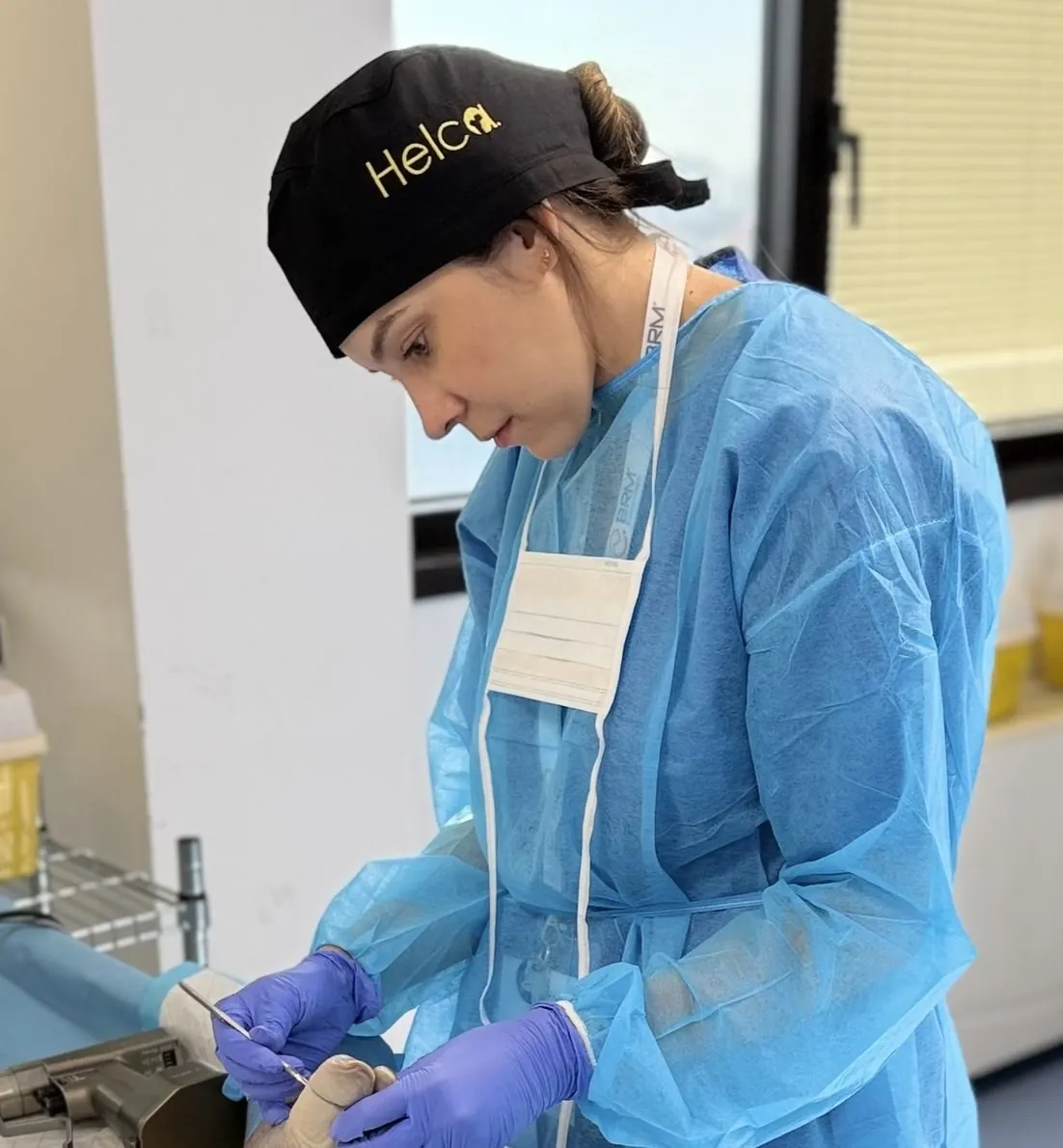
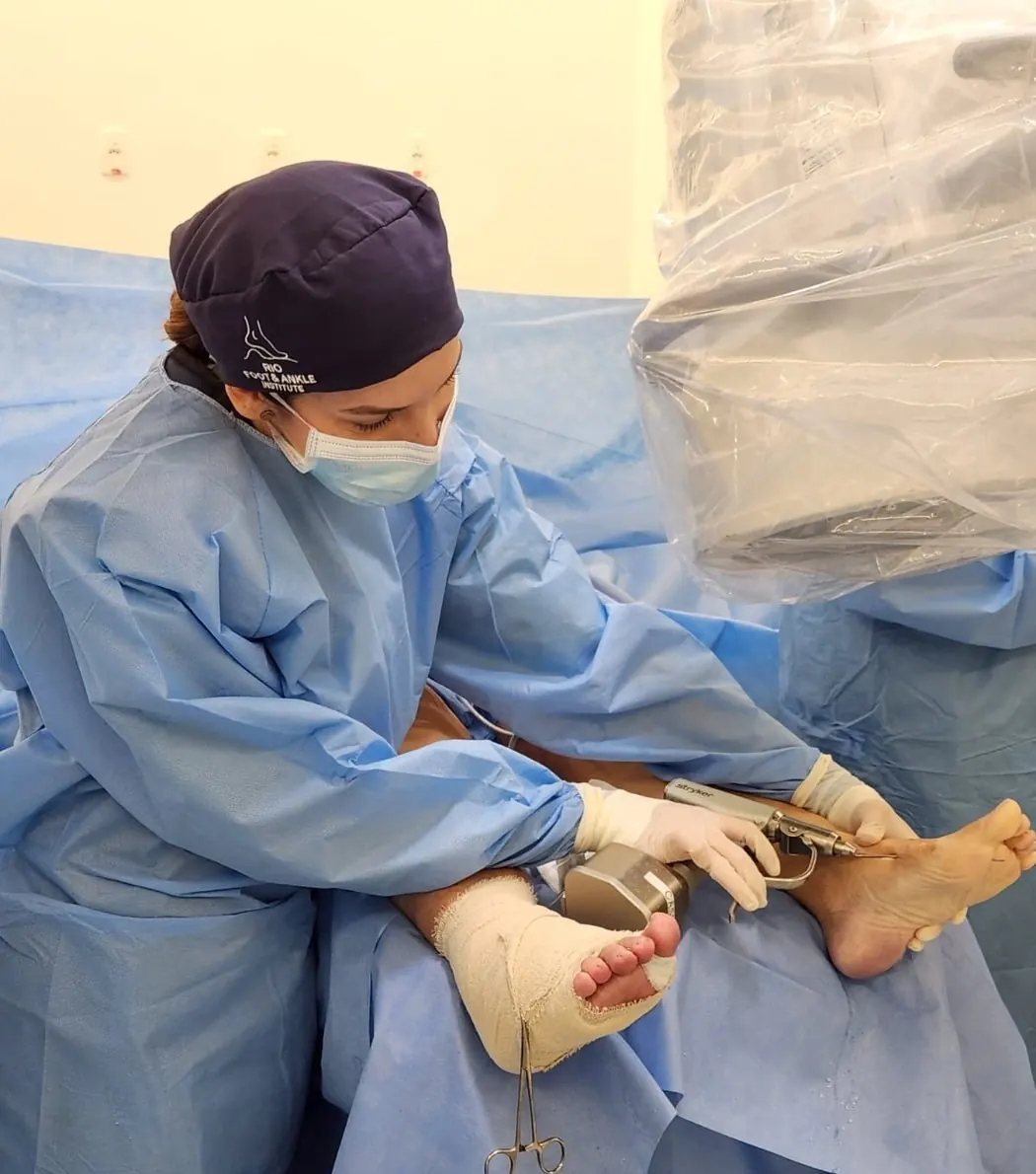
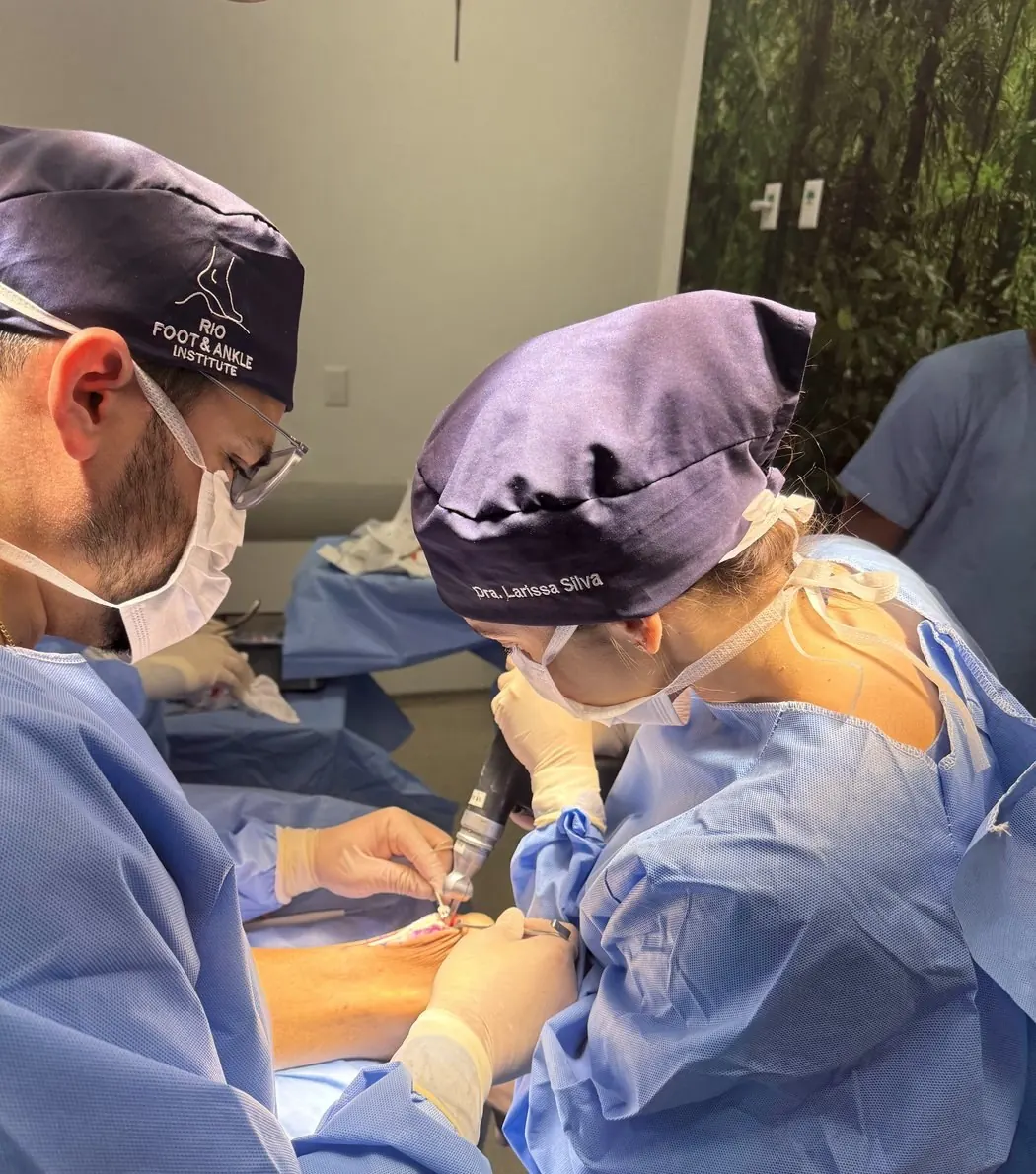
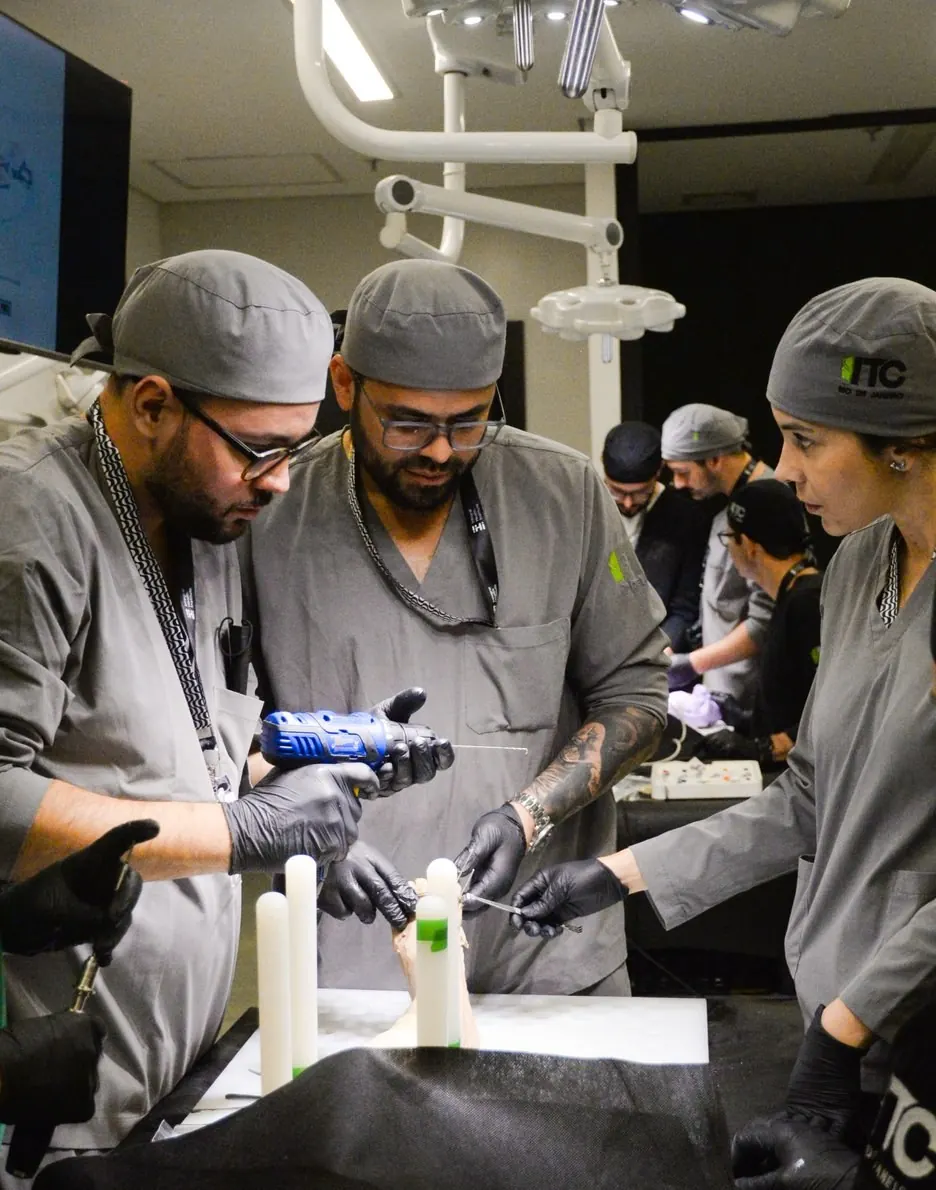
Google reviews, updated November 2026. Every case is different; one patient’s experience does not guarantee the same result for another.
No. A bunion that does not hurt or limit you is usually just monitored. Wider shoes, insoles and physical therapy relieve many cases, but they do not undo the bone deformity. Surgery comes in when the pain persists and gets in the way of daily life.
No. The minimally invasive technique depends on the degree of deformity, the quality of the bone and other changes in the foot. The choice is made at the consultation, with an exam and weight-bearing X-rays.
Usually not. Plantar fasciitis hurts under the heel, when you first step down in the morning. Pain at the back, where the shoe rubs, may be Haglund’s deformity or inflammation of the Achilles tendon.
Get it checked if you cannot take four steps, if it hurts when you press on the bone, if the ankle looks out of shape or if it does not improve within a few days. There may be a fracture or a ligament injury.
It depends on the problem, the technique and on you. At the consultation I give you the plan in phases: weight-bearing, footwear, physical therapy, and return to work and sport. Every surgery has risks, and results vary from person to person.
And any test results you already have. At the appointment I explain what is going on, and you leave with a written plan.

